Persian Kabob Koobideh
Create delicious Persian Kabob Koobideh with our recipe, focusing on perfect seasoning and grilling techniques for authentic flavor.
5.0(1 ratings)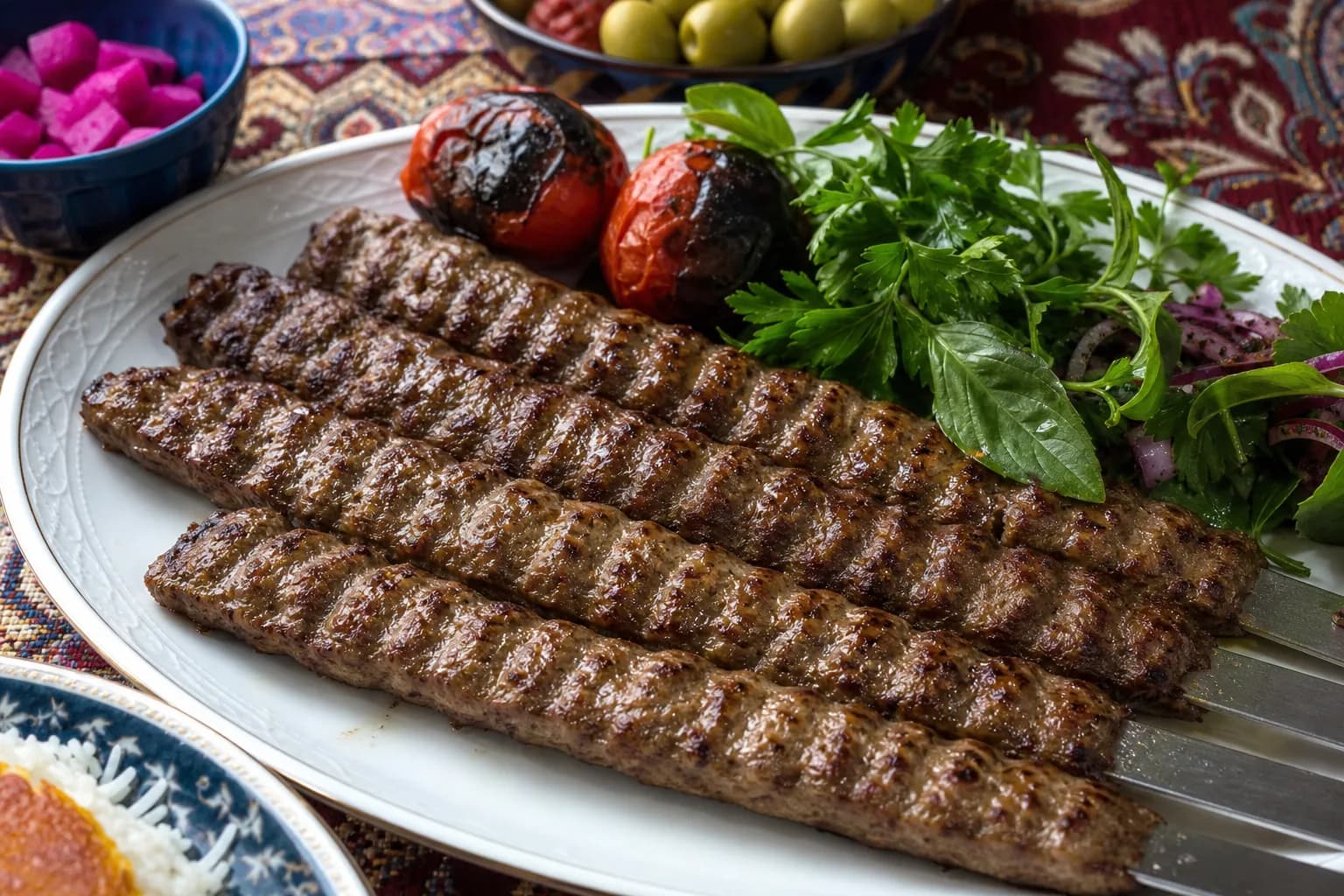
Persian Kabob Koobideh is a beloved traditional dish, known for its juicy, flavorful meat and perfect grilling. This recipe focuses on achieving the ideal balance of spices and the critical technique of shaping and grilling the kabobs to perfection.
Origin and Background
Kabob Koobideh, a favorite in Persian cuisine, has its roots deeply embedded in Iran’s rich culinary history. Traditionally made with ground lamb or beef, it's a staple at family gatherings and festive occasions. The name "Koobideh" refers to the technique of "kubidan" or slapping the meat onto skewers, an essential aspect that sets it apart.
Key Ingredients and Substitutions
The primary ingredient for Kabob Koobideh is ground lamb, often chosen for its rich flavor. Some prefer to use a combination of lamb and beef to achieve a different taste and texture. Onion plays a crucial role in flavoring and binding the meat. Saffron water adds a unique aroma and color, while turmeric, salt, and pepper are important for seasoning. Should you have dietary restrictions or preferences, consider using solely beef or even ground chicken as an alternative.
Technique Notes
The technique used in making Kabob Koobideh is quite significant. It's essential to mix the ingredients well, ensuring the meat binds effectively. Grating the onions finely helps prevent separation when grilling. Chilling the mixture allows the flavors to meld and the texture to firm up, critical for successful grilling. Properly shaping the meat around the skewers prevents it from falling off. When grilling, maintaining medium-high heat ensures even cooking without drying out the kabobs.
Serving Suggestions
Kabob Koobideh is best served with lavash bread or saffron rice, alongside grilled tomatoes and perhaps a side of raw onions or fresh herbs like mint and parsley. These accompaniments balance the rich flavors of the kabob, adding freshness and variety to every bite. It’s also common to serve this dish with doogh, a savory yogurt-based drink, to enhance the dining experience.
Storage and Reheating
Although Kabob Koobideh is best enjoyed freshly grilled, you can store leftovers in an airtight container in the refrigerator for up to two days. To reheat, place them in a preheated oven at 180°C for about 10 minutes, or until warmed through. Avoid microwaving as it tends to alter the texture and moisture content of the kabobs.
Mastering Kabob Koobideh takes practice, but the result is thoroughly rewarding. This step-by-step guide ensures you'll have a crowd-pleasing dish that's both satisfying and authentic, ready to bring a taste of Persian tradition to your table.
Persian Kabob Koobideh
35 min 4 servings 350 Calories
Ingredients
Method
Tap a step to mark it done.
Nutrition per serving (estimate)
- Calories
- 350
- Protein
- 25 g
- Carbs
- 5 g
- Fat
- 24 g
Rate this recipe
· 5.0/5 (1 ratings)
Tips for success
- Ensure onions are finely grated to avoid falling off skewers.
- Chill mixture for at least 1 hour to firm it up before grilling.
- For different flavors, mix lamb and beef in equal parts.
- Baste kabobs with melted butter for extra flavor before serving.
- If using wooden skewers, soak them in water for 30 minutes before use.
Frequently asked questions
What meat can I use for Kabob Koobideh?
Ground lamb is traditionally used, but a mixture of lamb and beef or even ground chicken can be alternatives.
How do I prevent the kabobs from falling off the skewers?
Ensure the mixture is well-chilled and onions are finely grated. Press the mixture firmly onto the skewers.
What should I serve with Kabob Koobideh?
Serve with lavash bread, grilled tomatoes, fresh herbs, and a savory yogurt drink like doogh.
Can I make Kabob Koobideh ahead of time?
Yes, you can prepare the meat mixture a day ahead and refrigerate. Grill the kabobs just before serving for best freshness.
Reviews
No reviews yet. Be the first to share how it went.